

Editor's Note: This op-ed originally appeared on Foreign Policy in a op-ed series entitled "The Second Coming: 10 Problems Obama Can Solve Right Now".
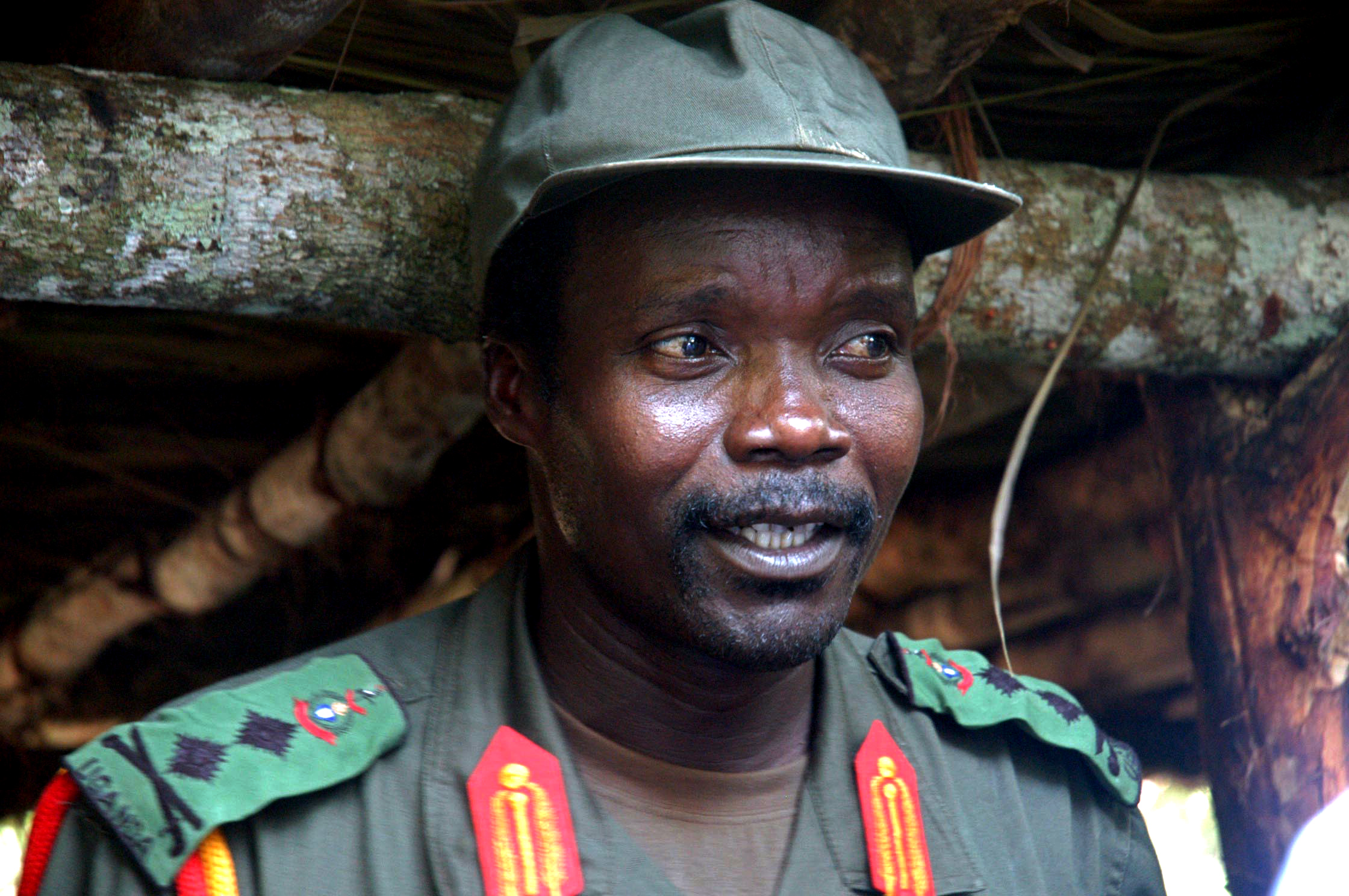
Before "Gangnam Style," there was the viral Kony 2012 video, which made Lord's Resistance Army (LRA) leader Joseph Kony the world's best-known international war criminal overnight. But the man himself remains at large in the jungles of Central Africa. The human toll mounts as children continue to be press-ganged by Kony's followers into service as soldiers, porters, and sex slaves. The LRA's strength may be a fraction of what it was a decade ago, but with reports of increased support from the group's longtime friend, the Sudanese government, the LRA still poses a major threat not only to civilians but, if Khartoum's support grows, to the overall stability of the four countries where the LRA has conducted attacks. If President Obama wants to make the world a better place and burnish his legacy, then apprehending Kony — a man believed to be responsible for the forced conscription of tens of thousands of kids — would be a good start. This is a winnable war, and if the United States, regional governments, and others build on the momentum already established, the LRA could be history by the end of 2013.