

It’s an understatement to say that Chad is currently facing a lot of problems. N’Djamena is bracing for a coup attempt by a united, Sudan-supported rebel coalition, and the Chadian people are fighting for survival as their government brutally represses them (Amnesty International has much more on this) and bans charcoal, their main source of cooking fuel.
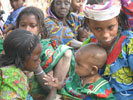
To add to the chaos, 10,000 refugees from the Central African Republic—reportedly mostly women and children—are stranded in the remote savannah of southern Chad after having fled a wave of new fighting in northern CAR. More than 5,000 refugees have poured into the village of Daha, Chad, in the past week, and several U.N. agencies, including the World Food Program and UNICEF, are attempting to deliver emergency relief to the remote village but are facing extreme logistical challenges. A U.N. official noted:
[Southern Chad/northern CAR] is a lawless area. People also report a lot of banditry and those sorts of attacks on small towns and villages…There are a lot of abductions of children and people are just facing a very, very chaotic and insecure situation in the northern Central African Republic.
Meanwhile, last week, Sudanese helicopters attacked a Belgian patrol team operating as part of the EUFOR, the European Union mission in the region, which will be replaced with the U.N. mission known as MINURCAT in mid-March.
These two incidents underline the raging banditry and insecurity problems, not only in the eastern Chad/ Darfur, Sudan border region, but also in the southern Chad/northern Central African Republic border area. Some wise words from Enough’s executive director John Norris illustrate this reality:
Most of Africa’s major conflicts span more than a single border, requiring a more comprehensive diplomatic approach if we hope to solve genocide and war crimes on the continent.