

Months of talks between North and South Sudan over plans for the highly-anticipated vote on South Sudan’s independence are beginning to show progress, according to both northern and southern officials.
The two sides agreed in the landmark Comprehensive Peace Agreement in 2005 that, after a period of working to give unity a try, the South would have a chance to vote in 2011 on whether to form its own country. Now, with many key provisions of that peace deal left unimplemented, the two sides are preparing for the 2011 referendum, and with all that’s at stake, let’s just say they don’t exactly see eye-to-eye.
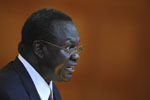
South Sudan’s Vice President Riek Machar announced a break through last Friday in his negotiations with the North’s Vice President Ali Osman Taha, saying that the two sides had agreed on a simple majority vote for secession and a two-thirds voter turnout for the referendum to be accepted.
Sudan Foreign Ministry spokesman Moawya Othman Khaled in Khartoum confirmed the agreement.
In previous talks the threshold for secession had been a large point of contention. At points, the ruling Northern Congress Party, or NCP, had demanded that 75, even 90, percent of voters choose secession in order for the referendum to pass. The decision that a simple majority would pass presents a small victory to the South, but challenges remain and negotiations continue.
Machar flew back to Juba yesterday to consult with leaders in the Southern People’s Liberation Movement; Taha will be seeking the sign-off from the NCP as well. If approved by both parties, the bill will then be presented to the Constitutional Review Commission.
We await the reactions of the SPLM leadership with anticipation—one party member has already called the agreement “unacceptable.”
Photo: Vice President of South Sudan Riek Machar (AP)