
Categories
Conflict Areas
Blog Series
Our Campaigns & Initiatives
Announcements
Archive
- February, 2012 (21)
- January, 2012 (53)
- December, 2011 (55)
- November, 2011 (69)
- October, 2011 (51)
Blog Roll
- Africa in Transition
- Africa24 Media
- Across the Aisle
- Burning Billboard
- Change.org - Human Rights
- Chris Blattman's Blog
- Condition Critical
- Congo Siasa
- From the Front Line
- Genocide Intervention Network
- Huffington Post
- ICC Observers
- IJCentral
- Impunity Watch
- In Situ
- Institute for War & Peace Reporting
- Opinio Juris
- Meskel Square
- Mia Farrow
- National Security Network Democracy Arsenal
- Nicholas Kristof, The New York Times
- Promise of Engagement
- Pulitzer Center - Untold Stories
- Resolve Uganda
- Save Darfur
- South Sudan Info
- STAND
- SudanReeves.org
- TakePart
- Think Progress
- UN Dispatch
- Voices from the Field
- Voices on Genocide Prevention
- War Crimes
- WITNESS
- Woodrow Wilson Center
- World is Witness
- Wronging Rights
Home › Enough Said ›
Understanding the Consequences
Posted by Maggie Fick on Mar 07, 2009
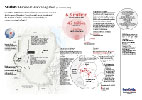
The United Nations’ Office of Humanitarian Affairs, or OCHA, has released a very helpful “Humanitarian Snapshot” map detailing the severe consequences of the Sudanese government’s decision on Wednesday, March 4, to expel thirteen international humanitarian organizations from Sudan.
Click here to view the map.
The statistics are available in the map and put into context in this blog post by my colleague Emily Roberts, but they bear repeating once more:
- Out of the estimated population of 6.3 million people in Darfur, 4.7 million are affected by the conflict.
- 2.7 million Darfuris are living in camps for the internally displaced and relying on lifesaving humanitarian assistance.
- Without the assistance provided by the thirteen humanitarian organizations expelled this week, well over a million internally displaced Darfuris will be without food, potable water, and healthcare.


