

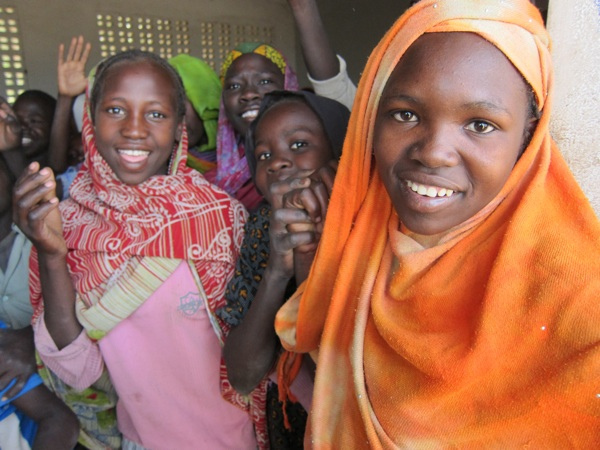
I’ve never been to sub-Saharan Africa. I’ve never been to a refugee camp. But I’m spending Thanksgiving and next week visiting Darfuri refugee camps in eastern Chad. Many of these refugees, nearly 300,000, have lived in the camps since the Darfur conflict ignited in 2003.
I’m going to the camps as a member of Enough’s Darfur Dream Team Sister Schools Program. The Sister Schools Program works with U.S. schools and donors to support education for Darfuri refugees and build connections between American students and their Darfuri peers.
My journey with the Darfur Dream Team began almost three years ago when I interned for the program as it was just getting off the ground. Following my internship, I led fundraising efforts as a senior at the University of San Diego for our sister school, the Obama school in Djabal refugee camp. Last year, I officially joined the team as the Sister Schools Program Assistant.
Over the last three years as an intern, student fundraiser, and program assistant, I’ve watched countless hours of video, scrolled though thousands of photos, and read moving and entertaining stories from the camps. I already feel so connected to the students and teachers of Djabal and Goz Amer refugee camps, but this experience will definitely deepen that connection in ways I can’t even predict as I anticipate the visit. I’m excited to share this moment with other American students and activists.
In the camps, I’m going to be meeting with students, parents, teachers, camp leaders, and field staff of the U.N. refugee agency, UNHCR, to discuss DDT’s impact on education in Djabal camp and our goals for supporting Goz Amer camp. I’m also delivering letters from dozens of U.S. schools to their Darfuri Sister Schools. Throughout the trip, I’m going to be collecting the stories and aspirations of a few Darfuri refugees and sharing those on the Darfur Dream Team Facebook page and Enough Said blog.
As I prepare for my departure and a rare Thanksgiving away from home, I feel very fortunate to be able to finally visit a place that I feel so connected to. And at the end of my two weeks, I get to come home. The reality for the Darfuri refugees is that these camps will continue to be their makeshift homes until it is safe for them to return to Darfur.
I invite you to follow my journey on the Darfur Dream Team Facebook page and submit your own questions via our Facebook wall and Twitter so that I can relay them to the people in the camps. I’ll be in touch soon with observations, answers to your questions, and messages from the students and teachers I meet.
Photo: Students in Goz Amer camp (Darfur Dream Team)