

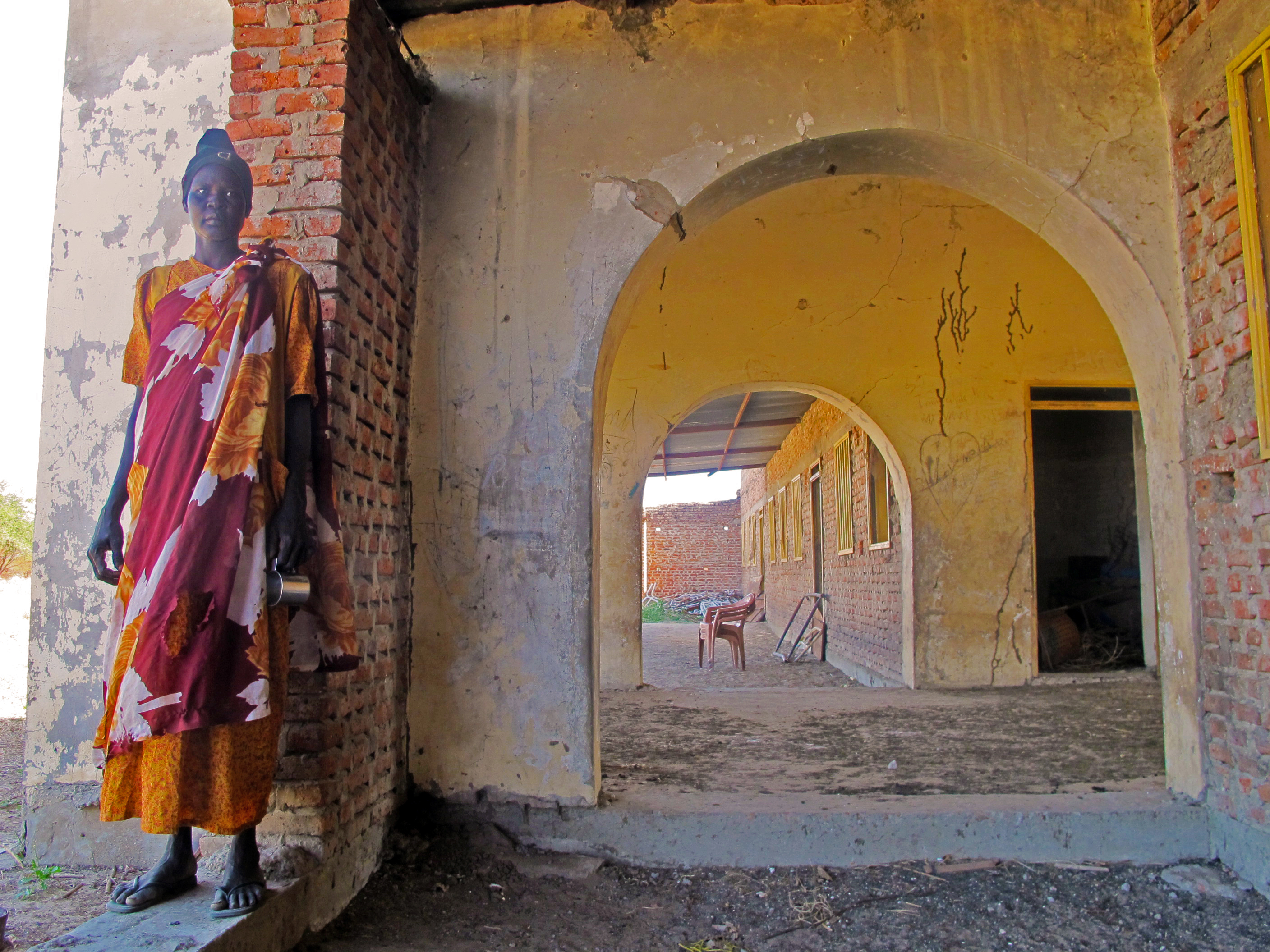
The cold war between Sudan and South Sudan could reignite into a devastating armed conflict if they do not quickly resolve their dispute over the final status of Abyei, a resource-rich area straddling the two countries’ ill-defined border. An African Union High Level Implementation Panel, or AUHIP, plan, which offers the best-available vehicle for resolving the territory’s final status, is already on the table. If the international community places its weight behind that plan and the parties finally commit to act on it, a deepening of the crisis can be averted. Unfortunately, two key obstacles stand in the way of a resolution of Abyei’s final status: (1) the lack of cooperation between the two governments, particularly Sudan’s outright rejection of the AUHIP Proposal; and (2) the misperception among the people on the ground that allowing a self-determination referendum in Abyei would be a zero-sum game.1 Misconceptions about the referendum process are especially troubling since they could enable spoilers to fuel violence during the annual Misseriya migration through the territory. A clear commitment from the international community to pressure the Sudans to come to an enforceable agreement on Abyei’s final status is essential to mitigate further destabilizing violence.